Real Condition
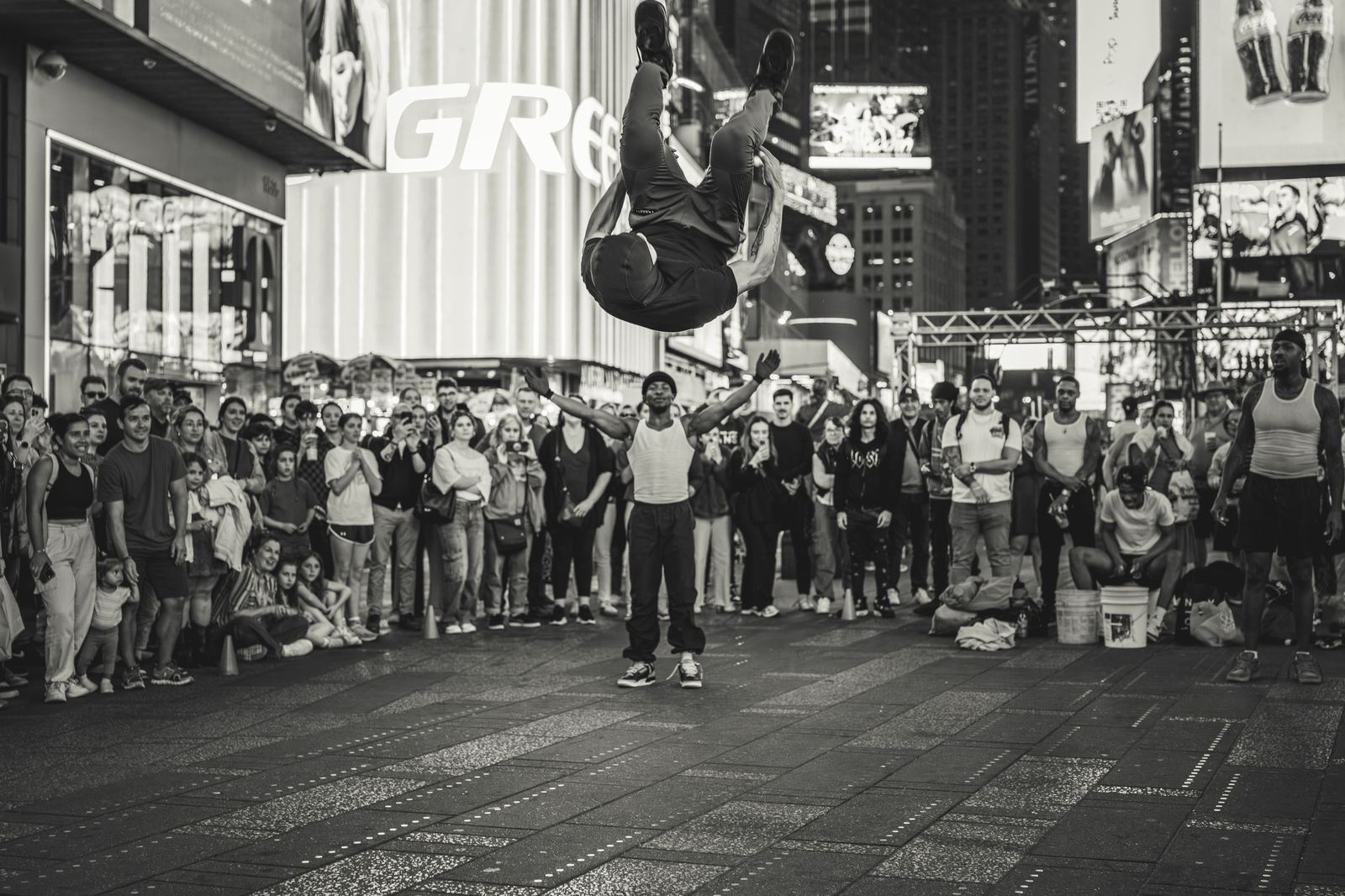
The idea must be born from a verifiable condition: behavior, tension, absence, failing infrastructure, a moving audience, an emerging ritual or a market leaving space. If there is no real condition, there is decoration.
 THE OPENING / BUREAU
Not every trend is an opportunity. Not every friction deserves a solution. Not every community needs a logo placed on top. Not every idea should become an event. Not every innovation has use. Not every presence produces ground.
The Field Manual defines the limits a form must cross before entering the world.
They are not values to decorate a page. They are limits. If an idea does not cross them, it is not ready to become a utility, system, experience, property or commercial opening.
The idea must be born from a verifiable condition: behavior, tension, absence, failing infrastructure, a moving audience, an emerging ritual or a market leaving space. If there is no real condition, there is decoration.
It is not enough for a brand to want to enter. There must be a reason for it to enter: need, desire, community, utility, moment or territory. If the entry feels forced, the field rejects it.
A form must serve, move or make people feel. It can solve something, create belonging, order a flow, reveal an invisible quality or open an experience. Neutral disappears.
The idea must survive contact with people, weather, timing, operation, logistics, noise, error, attention, desire, fatigue and use. If it only works in a presentation, it does not exist yet.
The opening must be able to reach the ground with materials, teams, technology, permits, production, transmission, roles, timing and clear direction. A form is thought with its operation inside.
Every form must produce some return: sales, position, prestige, use, data, community, trust, content, coverage, adoption, memory or system. Without return, it is expression.
The test is not whether an idea sounds good in a presentation. It is whether it survives contact with people, operation, time, budget, weather, technique, emotion and real use.
This is where decoration ends and practice begins.
People seek utility where they used to accept advertising. Communities want belonging, but reject invasion. Platforms produce quality, but the final experience often fails to show it. Events generate attention for one night, but lose value if they do not become memory, content or system.
How people gather, choose, use, repeat, reject, abandon, or return.
How a room, a street, a screen, a line, a route, a shop, or a service modifies behavior.
What ideas, codes, and stories an audience is ready to understand, share, and make their own.
What the system can really sustain when the proposal reaches production.
What remains after the experience, what can be reused, and what can become accumulated value.
Read before naming.
Build only where there is space.
Make useful what can be useful.
Make memorable what must be felt.
Test against the field.
What does this make possible that did not exist before?
This manual does not exist to make the method rigid. It exists to protect it. If a form does not serve, move people or leave memory, it does not go out.